
22 Feb The Materials That Matter: A Guide to Sustainable Home Extension Building in the UK
The way we build our homes has a significant impact on our environment. In the context of home extensions, the choice of materials can make a big difference in terms of sustainability and environmental footprint. This article aims to guide you through the various building materials used for constructing home extensions in the UK, their pros and cons, and the role of government standards and regulations. Let’s dive in!
Traditional Building Materials
1. Wood
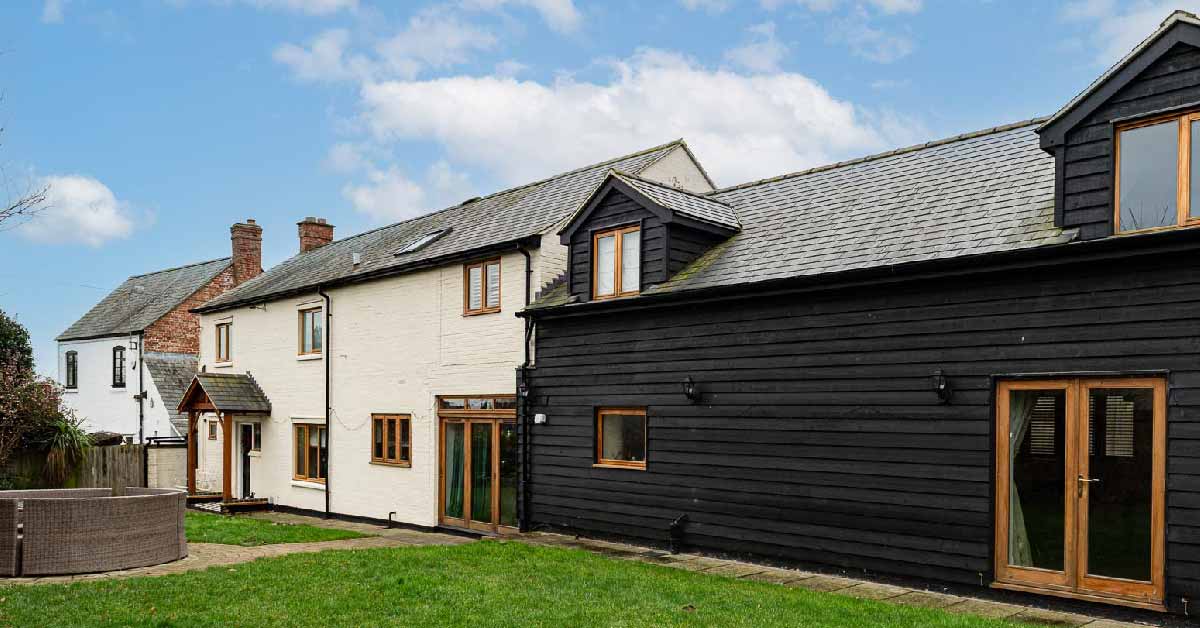
Wood is a classic construction material, prized for its adaptability and aesthetic appeal. Species like larch and oak are especially popular due to their toughness, waterproof properties, and all-round utility. However, sourcing sustainable wood can be a challenge, and it requires regular maintenance to prevent damage from pests or weather conditions.
2. Brick
Brick is a reliable and durable option for home extensions. It blends seamlessly with existing structures and offers excellent insulation properties. Nonetheless, brick production is energy-intensive and contributes to CO2 emissions.
3. Steel
Steel, often combined with timber and glass, is another common material used in extension projects. It’s robust, long-lasting and can create stunning architectural designs. However, similar to brick, steel manufacturing is energy-heavy and has a high carbon footprint.
Alternative & Eco-friendly Materials
1. Glass
Glass is increasingly popular for modern, light-filled extensions. While traditionally not seen as eco-friendly due to heat loss, advancements in double-glazing and thermal efficiency have made it a viable option.
2. Recycled Materials
Recycled or reclaimed materials can significantly reduce the environmental impact of your extension. These can range from reclaimed bricks and timber to recycled steel and glass.
3. Sustainable Alternatives
Beyond traditional and recycled materials, there are innovative options like hempcrete (a mixture of hemp, lime and water) or rammed earth. These materials have excellent insulation properties and lower carbon footprints compared to conventional construction materials.
Government Regulations & Sustainable Builds
In the UK, construction materials and methods must comply with building regulations to ensure safety, energy efficiency, and sustainability. For example, Part L of the Building Regulations deals with the conservation of fuel and power, pushing for better insulation and energy efficiency in home extensions.
Several sustainable builds in the UK exemplify the use of eco-friendly materials. For instance, ‘The Tree House’ in Clapham utilised timber and glass extensively, while the ‘Eco-Home’ in Cornwall featured recycled materials and hempcrete in its construction.
Conclusion
Choosing the right materials for your home extension is a balance between aesthetics, functionality, cost, and environmental impact. By considering these factors and consulting with experts, you can create a beautiful, sustainable space that adds value to your home and helps protect our planet.
No Comments